
Call : 1800 571 464
Call : 1800 571 464
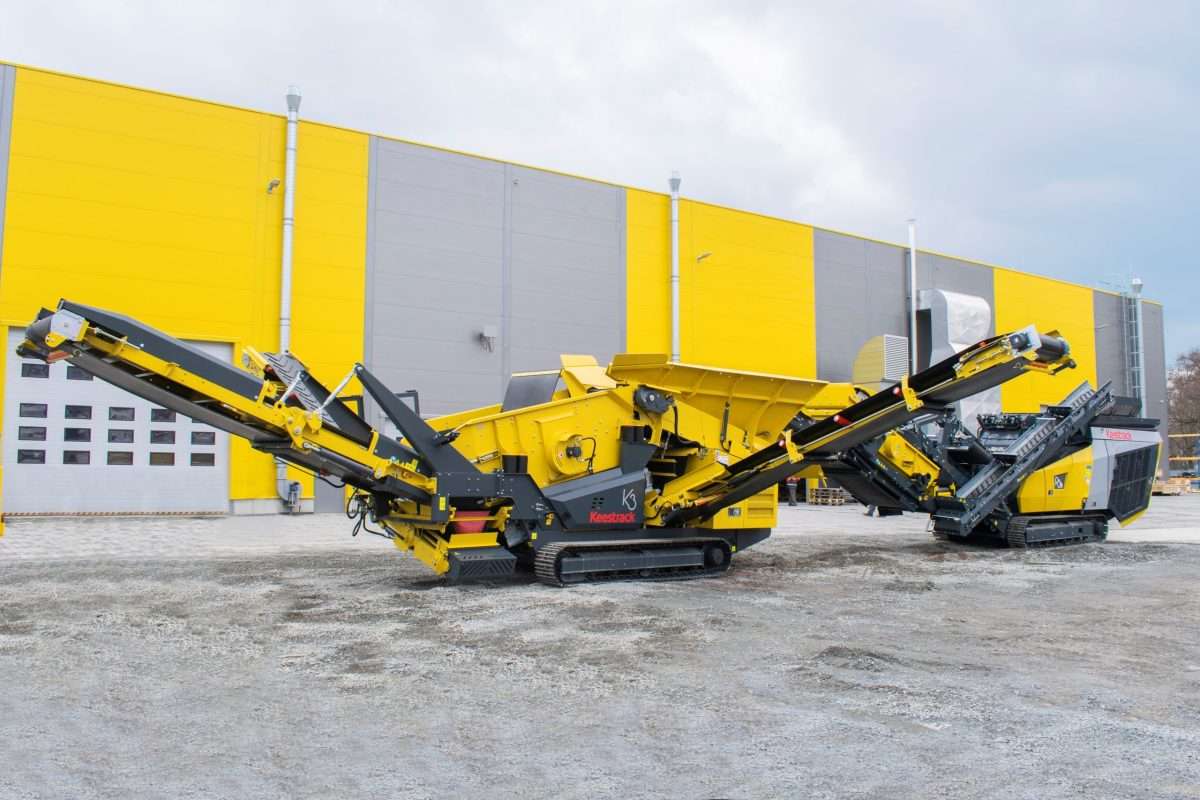
Screening equipment is a critical component in mining, quarrying, recycling, construction, and aggregate processing operations. By separating materials into different size fractions, screeners help improve production efficiency, reduce operating costs, and ensure consistent, high-quality finished products.
Whether processing quarry rock, sand, gravel, recycled concrete, demolition waste, or mining materials, the right screening equipment can significantly improve plant performance and maximise productivity.
This guide explains what screening equipment is, how screeners work, the different types of screening equipment available, and how to select the right screener for your application.
Screening equipment is designed to separate material into different sizes using screening media such as wire mesh, punch plates, polyurethane panels, rubber media, or grizzly bars. Smaller particles pass through the screen openings while larger material continues across the deck for further processing or classification.
Screening equipment is commonly used to:
Screeners play a vital role across a wide range of industries including mining, quarrying, construction, demolition recycling, waste processing, and sand and gravel production.
In many crushing and screening plants, screening equipment is installed at multiple stages throughout the process. Pre-screening removes fines and unwanted material before crushing to reduce wear and maximise crusher performance, while final screening classifies finished products into market-ready materials that meet customer specifications.
Screening equipment works by moving material across a screening surface while allowing particles smaller than the screen openings to pass through. Material larger than the opening remains on top of the screen and is discharged separately.
While screening technologies vary depending on the machine type and application, the screening process generally follows four key stages.
Material is introduced onto the screening deck via a hopper, feeder, conveyor, or directly from a crusher. Feed material can range from large quarry rock and blasted stone through to sand, soil, recycled concrete, asphalt, and demolition waste.
Maintaining a consistent feed rate and even material distribution across the screen deck is essential for achieving optimum screening efficiency and product quality.
Most industrial screening equipment uses vibration or mechanical motion to move material across the screening surface. This movement helps separate particles, improve stratification, and prevent screen blinding or material build-up.
Depending on the screener design, motion may include:
As material travels across the deck, smaller particles naturally migrate towards the screening surface where they can pass through the screen openings.
As material moves over the screening media, particles smaller than the aperture size fall through the screen, while oversized material continues towards the discharge end.
Different screen media are selected based on material characteristics and application requirements, including:
Selecting the correct screen media is critical for achieving efficient material separation and maximising wear life.
Modern screening equipment can produce multiple product sizes simultaneously, depending on the number of screening decks installed.
Typical output fractions may include:
Multi-deck screening machines improve plant efficiency by producing several saleable products from a single screening operation.
Different applications require different screening solutions. The most suitable screening equipment will depend on material characteristics, moisture content, feed size, production requirements, and the desired final product specifications.
Understanding the strengths of each screener type can help operators maximise productivity, improve product quality, and reduce operating costs.
Scalping screens are heavy-duty screening machines designed to remove oversized rock, clay, dirt, and fines before material enters the crushing process. Built for demanding applications, they are commonly used as the first stage in crushing and screening circuits.
Ideal applications:
Main advantages include:
Inclined screens are among the most widely used screening machines in aggregate production and quarrying operations. By combining an angled screen deck with vibration, these machines efficiently separate material into accurately sized products.
Ideal applcations:
Benefits include:
Horizontal screens are designed for precision screening applications where material accuracy and efficiency are critical. Their horizontal design allows material to remain on the screen surface longer, improving separation performance, particularly with fine or damp materials.
Ideal applications:
Key benefits:
Vibrating screens are widely used across mining, quarrying, and recycling industries for reliable material separation, keeping material flowing continuously across the screen deck.
Vibrating screens can be configured in various designs including:
They are suitable for:
Key advantages:
Roller grizzly screens are designed to process large, difficult feed material using rotating shafts or rollers that separate oversized material while allowing fines to pass through. Their robust design makes them particularly effective in demanding quarrying and mining environments.
Roller grizzly screens are ideal for:
Key advantages include:
Triple deck screens feature three separate screening decks, allowing operators to produce up to four accurately sized products from a single machine. They are commonly used in high-production aggregate and quarrying operations where multiple finished products are required simultaneously.
Triple deck screens are ideal for:
Key benefits include:
Mobile screening equipment provides the flexibility to move screening operations directly to the material source. Track-mounted mobile screeners can be quickly relocated and integrated with crushers, conveyors, and stockpiling systems to create highly efficient mobile processing circuits.
Mobile screening equipment is ideal for:
Key benefits include:
Modern mobile screening equipment can operate as standalone units or as part of complete crushing and screening plant, delivering maximum versatility for changing project requirements.
Screening plays a vital role throughout the material processing cycle, from feed preparation through to final product classification. Effective screening at each stage helps improve plant efficiency, reduce operating costs, and ensure consistent product quality.
Pre-screening, often referred to as scalping, removes fines, dirt, and smaller material before it enters the crusher. This reduces unnecessary wear on crushing equipment and improves overall plant performance.
Pre-screening is commonly used in:
Benefits of pre-screening include:
Mid-process screening occurs between crushing stages and separates material that already meets the required size specification.
Benefits:
This stage is commonly used in multi-stage crushing and screening circuits.
Final screening is used to separate finished material into market-ready products that meet customer specifications.
Typical final products may include:
Accurate final screening ensures product quality, compliance with specifications, and maximises the value of finished materials.
Selecting the right screener requires careful consideration of material characteristics, production targets, and site requirements.
Different materials behave differently during screening.
For example:
Understanding material characteristics is essential to achieving optimal screening performance.
Maximum feed size will influence the type and strength of screening equipment required.
Large feed material may require:
Smaller feed material is typically processed using finishing or horizontal screening equipment.
Operators must determine:
Multi-deck screens are often preferred when several finished products are needed simultaneously.
Production targets play a major role in equipment selection.
Key considerations include:
Higher-capacity operations may require larger screen decks or multiple screening units.
Operations can choose between fixed and mobile screening solutions depending on project requirements.
Mobile screeners are ideal for:
Track-mounted screeners offer superior flexibility and rapid deployment while reducing site infrastructure requirements.
Screening equipment is widely used across mining, quarrying, construction, demolition recycling, aggregate production, waste management, and industrial material processing industries.
Screeners can process a broad range of materials including rock, gravel, sand, coal, recycled concrete, asphalt, topsoil, construction waste, and demolition material.
Scalping screens are designed for heavy-duty pre-screening and large feed material, while finishing screens focus on accurate product sizing and final material grading.
The ideal mining screener depends on material type, feed size, moisture content, and production requirements. Heavy-duty vibrating screens, scalping screens, and grizzly screens are among the most common solutions used in mining operations.
Yes. Certain screening solutions, including horizontal screens and roller grizzly screens, are specifically designed to process wet, sticky, or clay-rich materials more effectively.
The best screener is determined by:
Selecting the correct screening equipment can significantly improve productivity, reduce operating costs, and ensure consistent, high-quality finished products.